
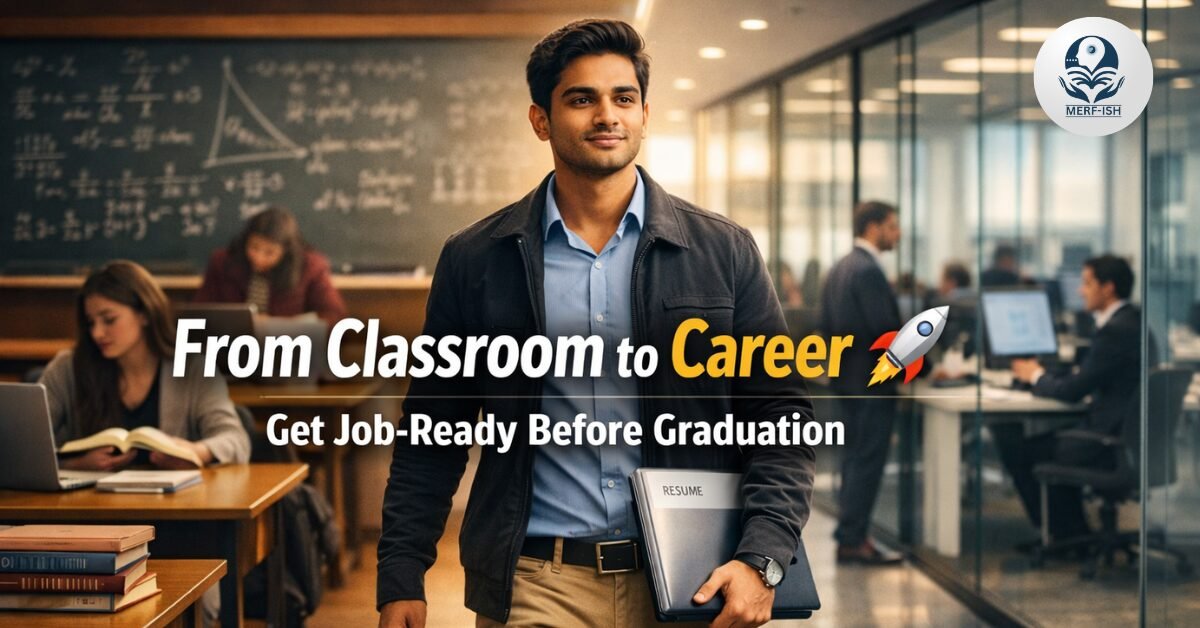
Introduction: The Gap Between Education and Employment
There’s a harsh truth most students realize too late—getting a degree is easy, but getting a job is not. Every year, thousands of students graduate with decent marks, yet struggle to secure employment. This is exactly why college placements in India continue to be a concern for both students and parents. The system has been built around completing courses, not building careers.
Students enter college with expectations of a clear career path, but many leave confused, underprepared, and dependent on last-minute placement opportunities. The reality is simple: companies are not looking for degrees anymore—they are looking for capability. This shift is forcing a redefinition of what education should actually deliver.
Why Traditional College Systems Are Failing Students
The Reality Behind College Placements in India
The biggest issue with college placements in India is not the lack of opportunities, but the lack of preparation. Most colleges still operate on outdated teaching models that prioritize theory over practical understanding. Students spend years memorizing concepts, only to realize they don’t know how to apply them in real-world situations.
This disconnect creates a serious problem. When students face interviews, they struggle to demonstrate their skills, explain their thinking, or solve practical problems. As a result, even academically strong students fail to secure jobs. It’s not because they lack intelligence—it’s because they lack exposure.
The Missing Focus on Job Ready Skills for Students
A major reason behind low employability is the absence of job ready skills for students. These are not advanced or complex abilities. They are basic, essential skills that determine whether a student can function in a professional environment.
Students need to know how to communicate clearly, think critically, manage time, and adapt to changing situations. They need to understand tools, workflows, and expectations within their industry. Without these skills, even the best academic records lose value. This is where the gap between education and employment becomes obvious.
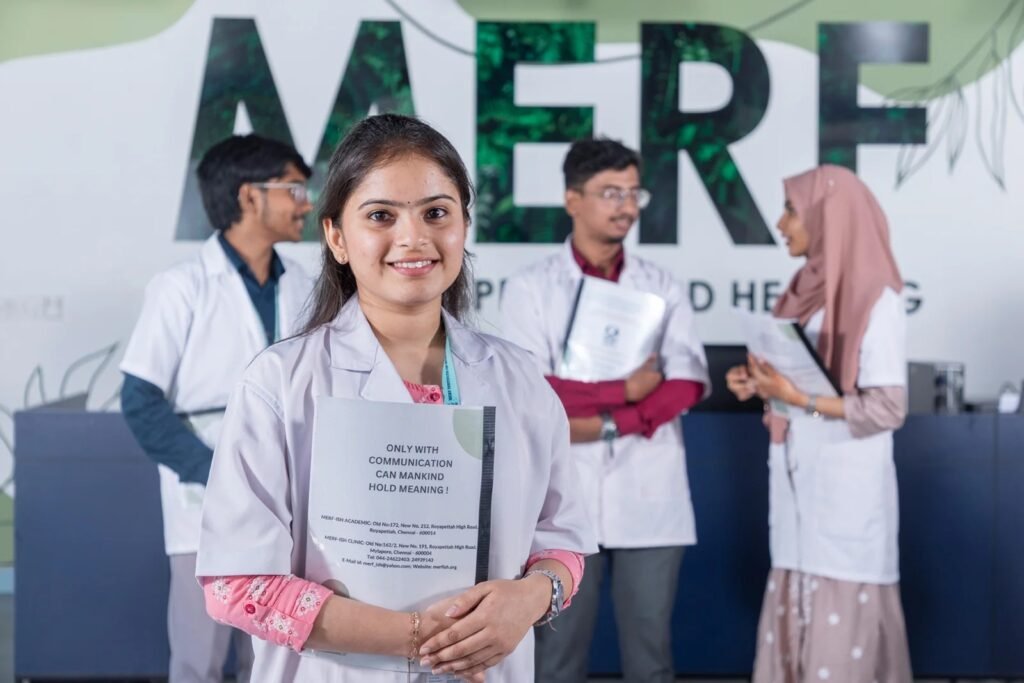
How to Get Job Before Graduation: What Actually Works
Most students wait until their final year to think about careers, which is already too late. Understanding how to get job before graduation requires a shift in mindset. It’s not about waiting for opportunities—it’s about preparing for them early.
Students who succeed start building their skills from the first or second year. They explore internships, take part in real projects, and actively develop their abilities outside the classroom. They don’t rely entirely on the curriculum; they go beyond it.
This approach gives them a significant advantage. By the time they reach their final year, they already have experience, confidence, and clarity. They are not just students anymore—they are candidates ready to enter the workforce.
Skill-Based Education India: A Necessary Shift
Why the Old System No Longer Works
The demand for skill-based education India is increasing because the traditional model is no longer effective. Companies don’t hire based on marksheets—they hire based on performance. They want individuals who can contribute from day one.
This shift is forcing educational institutions to rethink their approach. Students need more than theoretical knowledge; they need hands-on experience. They need to understand how industries function, how problems are solved, and how teams operate.
Building Industry-Ready Students Through Practical Learning
The goal of modern education should be to create industry-ready students. This means preparing them for real challenges, not just exams. Practical learning plays a key role in this transformation.
When students work on real projects, they learn how to apply concepts. When they interact with industry professionals, they understand expectations. When they face real problems, they develop confidence. This combination of experience and learning is what truly prepares them for the job market.
This is also where improvements in college placements in India begin to take shape. Students who are trained practically perform better, adapt faster, and stand out during recruitment.
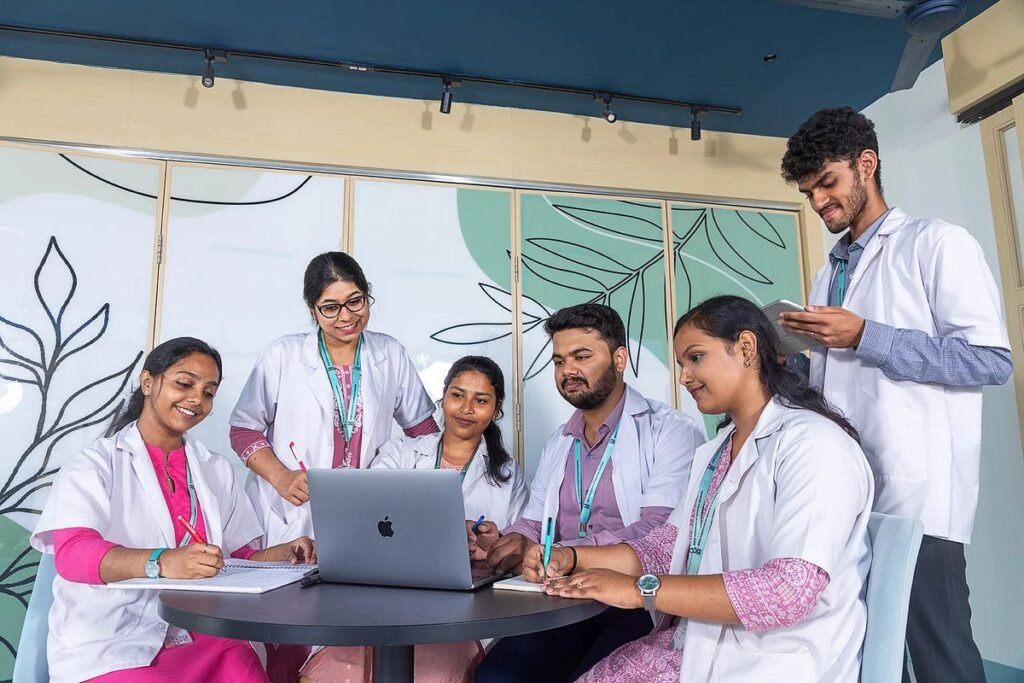
How Colleges Help Students Get Jobs in a Changing World
Understanding how colleges help students get jobs requires looking beyond infrastructure and facilities. The real value lies in how effectively a college prepares its students for employment.
Colleges that focus on outcomes integrate internships into their programs, encourage skill development, and provide continuous career guidance. They don’t treat placements as a final-year activity; they treat it as a continuous process.
Students are guided to identify their strengths, build relevant skills, and align their learning with industry needs. This proactive approach ensures that students are not left unprepared at the end of their academic journey.
The Role of Employability Skills for Graduates
Employability is not built overnight. Developing strong employability skills for graduates requires consistent effort over time. These skills include communication, adaptability, teamwork, and problem-solving—qualities that are essential in any professional setting.
Students who actively work on these skills gain a clear advantage. They are able to present themselves confidently, handle interviews effectively, and perform well in professional environments. These are the students who don’t just look for jobs—they secure them.
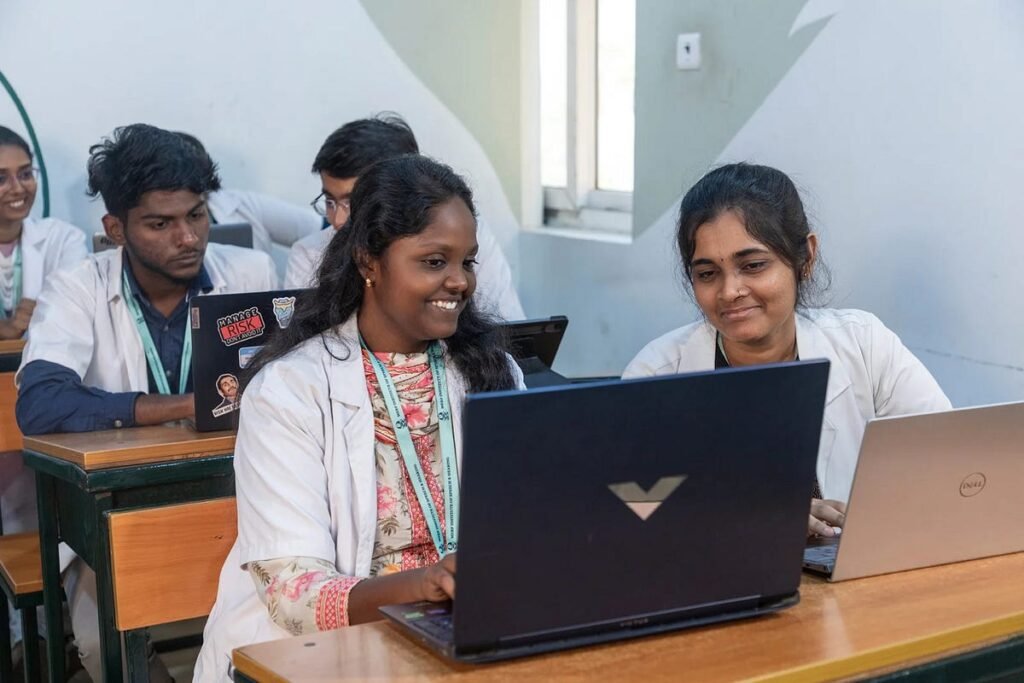
A Smarter Approach to Learning and Career Readiness
There is a growing realization that education must go beyond classrooms. A smarter approach involves combining academic learning with real-world exposure. This means giving students opportunities to work on live projects, participate in internships, and build portfolios that reflect their abilities.
This approach changes everything. Students are no longer passive learners; they become active participants in their own career development. They understand what is expected of them and prepare accordingly.
As a result, their performance improves significantly during hiring processes, positively influencing outcomes in college placements in India.
Merfish College Placements: A Focus on Real Outcomes
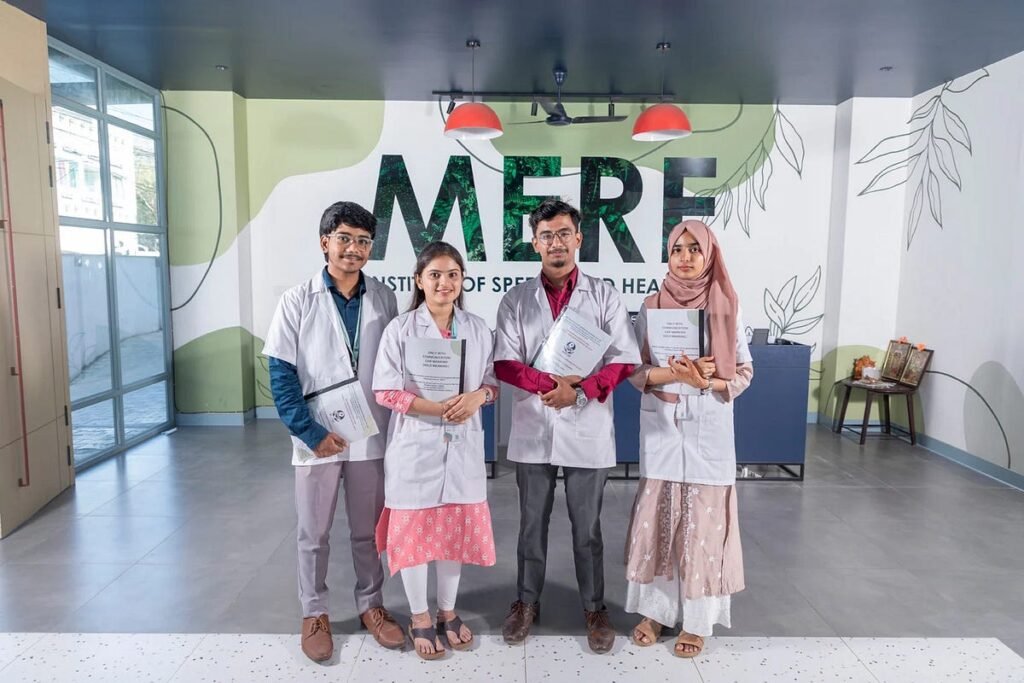
Instead of relying on traditional methods, Merfish college placements are structured around preparing students for real careers. The focus is not just on completing courses, but on ensuring students are ready for the professional world.
At Merfish, students are encouraged to develop practical skills alongside academic knowledge. They are exposed to real-world scenarios, guided through career planning, and supported in building strong foundations for their future.
This approach ensures that students are not waiting for opportunities—they are prepared to seize them. By aligning education with industry expectations, Merfish creates an environment where students can transition smoothly from classroom to career.
From Graduation to Employment: What Sets Successful Students Apart
The difference between students who struggle and those who succeed is not intelligence—it is preparation. Successful students take ownership of their learning. They focus on building skills, gaining experience, and understanding industry requirements.
They don’t depend entirely on placements; they create their own opportunities. They are proactive, adaptable, and willing to learn continuously. These qualities make them stand out in a competitive job market.
As expectations from graduates continue to rise, the importance of preparation becomes even more critical. Students who start early and focus on practical growth are the ones who stay ahead.
The Future of College Placements in India
The future of college placements in India will be shaped by how well institutions adapt to changing industry needs. The focus will shift from degrees to skills, from theory to application, and from passive learning to active development.
Students who understand this shift and act accordingly will have a clear advantage. They will not just graduate—they will be ready to contribute, grow, and succeed in their careers.
Conclusion: Start Early or Stay Behind
Waiting until the final year to think about jobs is a mistake many students make. The reality is that career preparation should start from the moment a student enters college.
By focusing on skills, gaining practical experience, and understanding industry expectations, students can position themselves for success. Education should not just lead to a degree—it should lead to a career.
Those who recognize this early will not struggle with uncertainty. They will move forward with clarity, confidence, and the ability to secure opportunities before graduation.
FAQs
1. How to get job before graduation in India?
Students should start early by developing practical skills, participating in internships, and working on real-world projects. Building experience alongside education increases employability.
2. What are job ready skills for students?
Job ready skills include communication, critical thinking, adaptability, teamwork, and the ability to apply knowledge in practical situations.
3. Why is skill-based education India important today?
Skill-based education ensures that students are prepared for real work environments. It helps bridge the gap between academic learning and industry requirements.
4. How do colleges help students get jobs effectively?
Colleges that focus on internships, industry exposure, and skill development provide better support for students transitioning into the workforce.
5. What makes students industry-ready?
Students become industry-ready when they gain practical experience, develop strong skills, and understand professional expectations before graduating.