
Introduction: The Shift No One Is Paying Attention To
For years, hearing-impaired speech therapy followed a predictable path — focus on visual cues, repetition, and slow language exposure. It worked… but not optimally.
Now, something is changing.
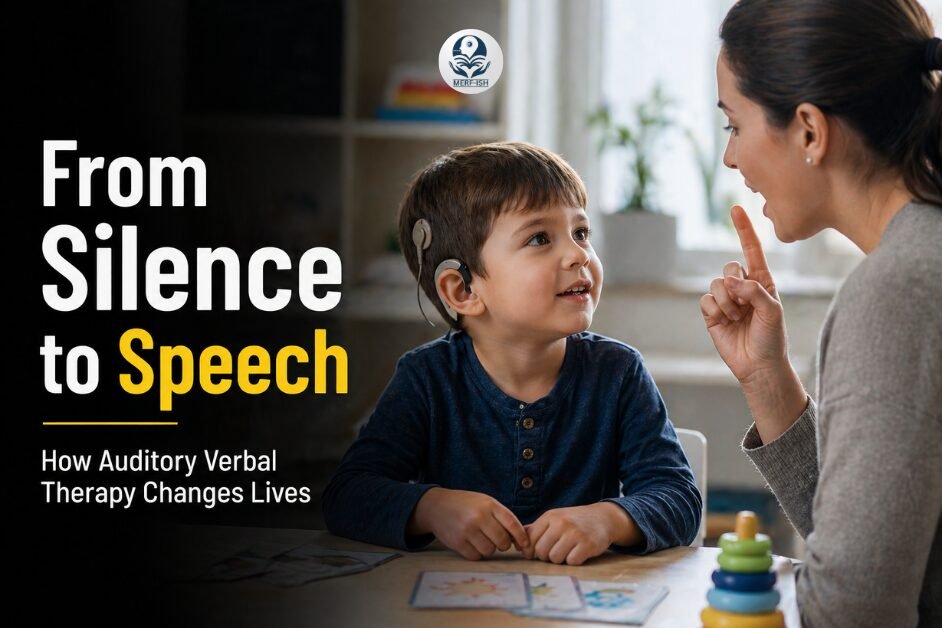
Auditory verbal therapy is quietly reshaping how children with hearing loss develop communication skills. Instead of relying heavily on visual compensation, this approach trains the brain to use sound as the primary channel.
This isn’t just another therapy method. It’s a shift in mindset.
And if you’re a student, clinician, or institution like Merfish, ignoring this shift means staying outdated.
What Makes Auditory Verbal Therapy Different?
Traditional methods often mix visual and auditory inputs. But auditory verbal therapy focuses on one core principle:
The brain learns to listen by listening — not by watching.
This approach is tightly connected with:
- listening and spoken language therapy
- structured auditory training therapy
- consistent real-world sound exposure
Instead of teaching children to cope, AVT teaches them to integrate.
Auditory Verbal Therapy Techniques That Actually Work
Not all methods are equal. The effectiveness of AVT depends on how well techniques are applied.
Core auditory verbal therapy techniques:
- Sound detection and discrimination exercises
- Repetition through natural conversation
- Auditory memory building activities
- Guided listening tasks in daily routines
These aren’t random drills. They are structured AVT therapy methods designed to:
- Build neural pathways for sound processing
- Improve speech clarity
- Strengthen comprehension over time
The difference? It’s not about teaching words — it’s about training the brain.
Why Hearing-Impaired Speech Therapy Needed This Shift
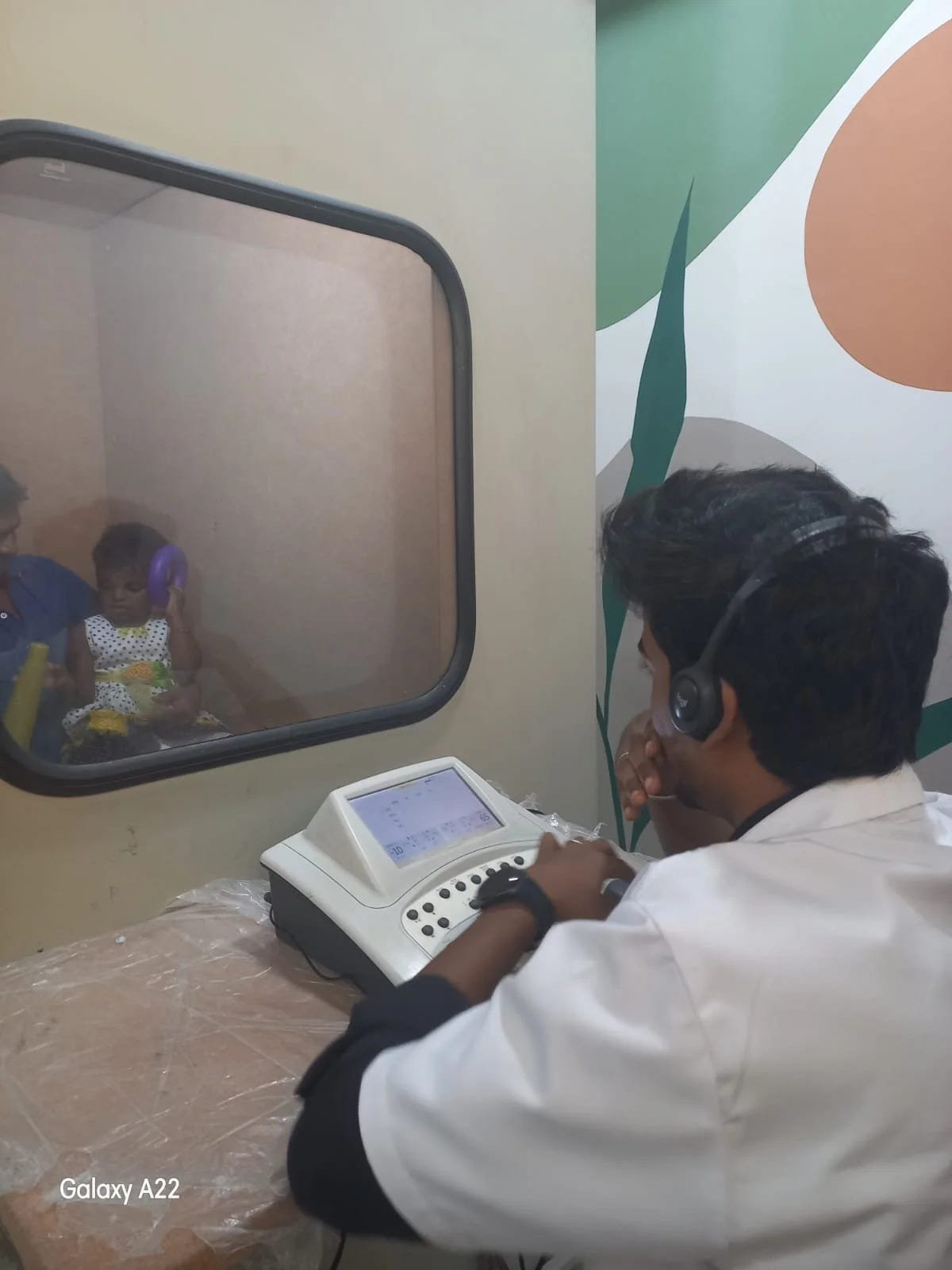
Let’s be blunt — traditional hearing impaired speech therapy has limitations.
It often:
- Overdepends on lip-reading
- Slows down independent communication
- Creates reliance on visual cues
AVT challenges that by prioritizing:
- Active listening
- Natural speech pattern
- Real-life communication environments
This is why many professionals now combine hearing impaired speech therapy with AVT-based approaches instead of treating them separately.
The Role of Cochlear Implant Therapy in AVT Success
You can’t talk about AVT without addressing technology.
Children with cochlear implants gain access to sound — but access alone isn’t enough.
That’s where cochlear implant therapy connects directly with AVT.
Without proper therapy:
- Sound remains meaningless noise
With AVT:
- Sound becomes structured language
This is where auditory verbal therapy becomes critical — it bridges the gap between hearing and understanding.

AVT Techniques for Beginners: Where to Start
Most students and new therapists overcomplicate this.
Here’s the truth: beginners should focus on simplicity and consistency.
AVT techniques for beginners include:
- Talking during daily routines (eating, playing, dressing)
- Repeating sounds with context
- Encouraging listening before responding
- Avoiding overuse of gestures
At institutions like Merfish, structured training helps students apply these techniques correctly instead of guessing their way through sessions.
Language Development in Hearing Loss: The Real Challenge
The biggest issue isn’t hearing — it’s language delay.
Children with hearing loss often struggle with:
- Vocabulary growth
- Sentence formation
- Contextual understanding
This is where language development hearing loss becomes a critical focus area.
AVT addresses this by:
- Introducing language through listening
- Reinforcing meaning through repetition
- Encouraging spontaneous speech
Instead of teaching isolated words, it builds functional communication.
The Role of Parents in Auditory Verbal Therapy
If parents are not involved, progress slows down. Period.
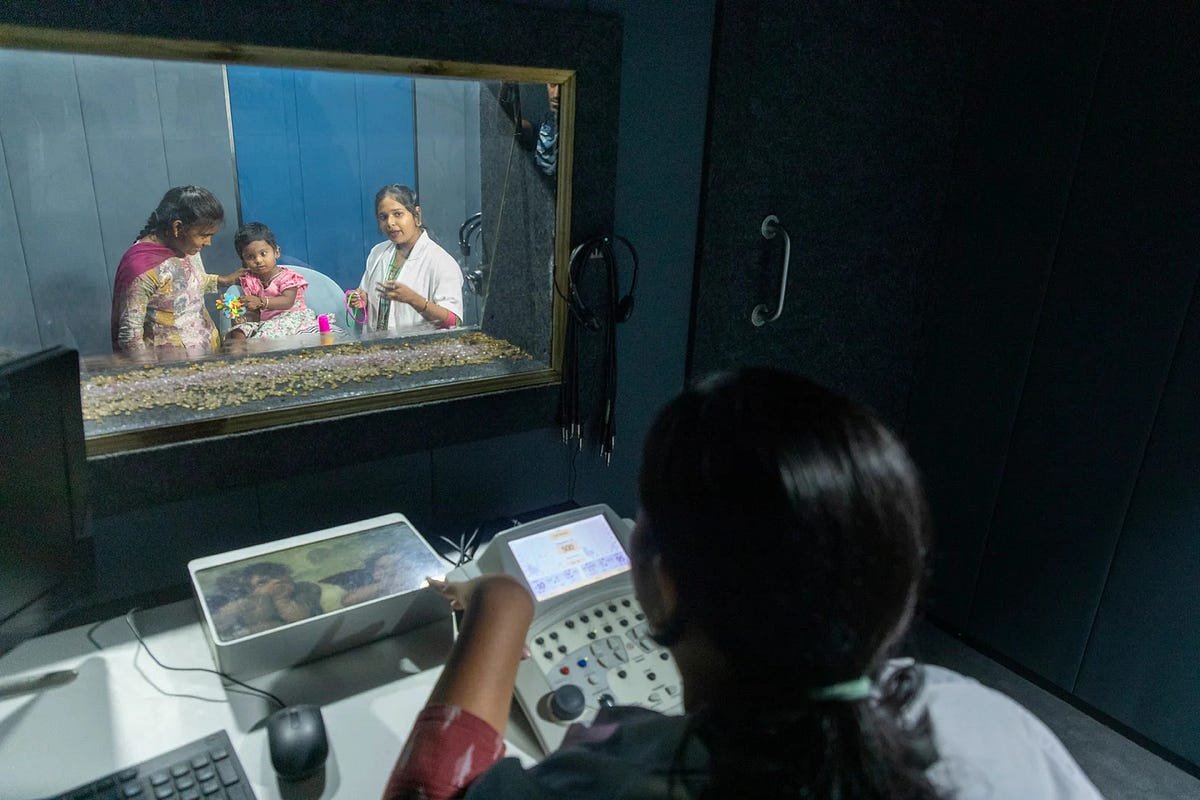
The role of parents in auditory verbal therapy is not optional — it’s central.
Parents are trained to:
- Continue therapy at home
- Create listening-rich environments
- Reinforce daily communication
This transforms therapy from:
2 sessions per week
into
a full-time learning environment
This is one of the biggest reasons auditory verbal therapy outperforms traditional models.
How AVT Integrates Into Modern Education Systems
Educational institutions are slowly adapting — but not fast enough.
Programs like those offered at Merfish are starting to:
- Integrate AVT into curriculum
- Focus on real-world application
- Train students beyond theory
This is important because the future demands professionals who understand:
- auditory training therapy
- real patient interaction
- technology integration
Not just textbook definitions.
AVT vs Traditional Therapy: The Real Difference
Let’s cut through the noise.
Traditional Approach
AVT Approach
Visual-heavy learning
Listening-first learning
Slower speech development
Faster language integration
Dependent communication
Independent communication
Structured sessions only
Everyday learning
The goal isn’t to eliminate traditional methods — but to upgrade them.
Why This Shift Matters More Than Ever
We’re entering a phase where:
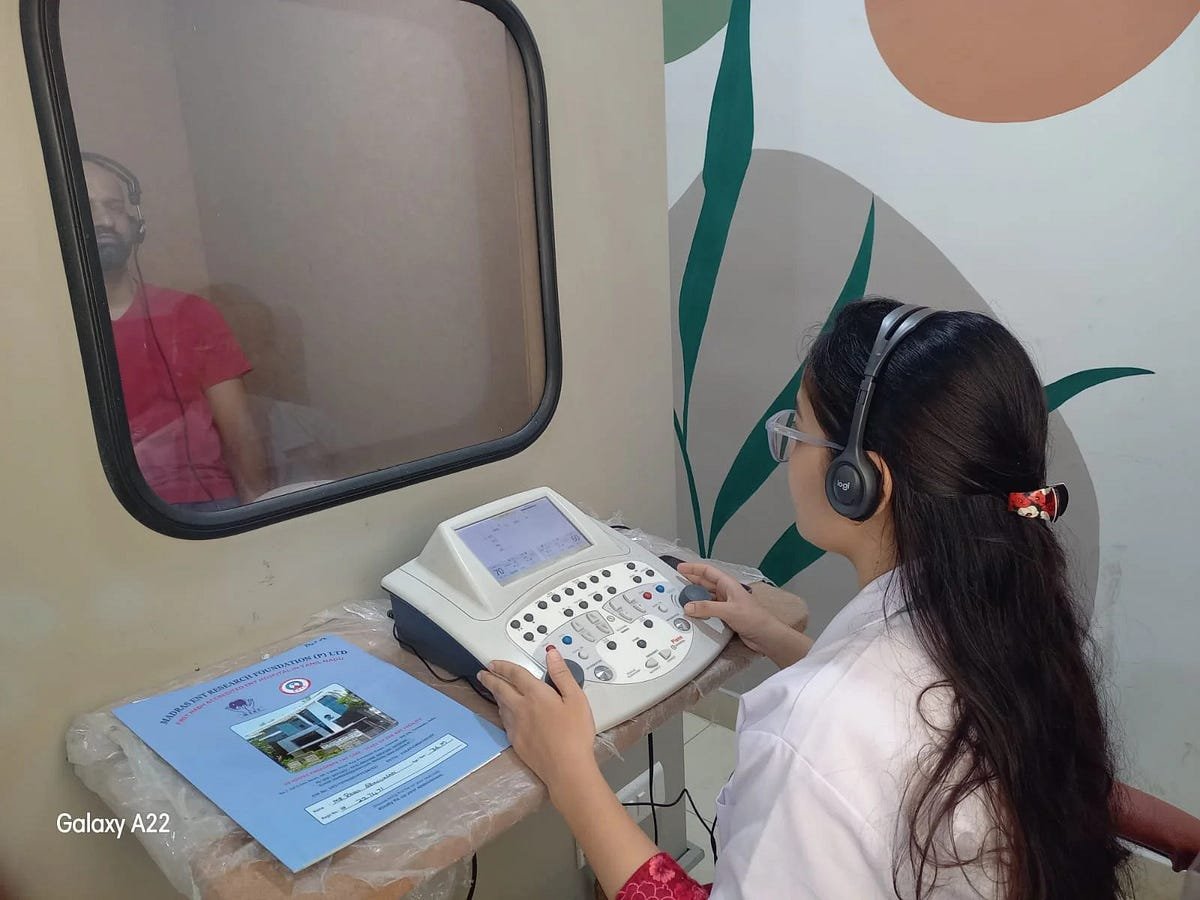
- Early diagnosis is increasing
- Cochlear implants are more accessible
- Awareness is growing
But therapy quality still varies.
That’s why auditory verbal therapy is gaining attention — it aligns with modern needs:
- Faster outcomes
- Practical communication
- Long-term independence
Conclusion: The Future Belongs to Listening-Based Learning
The future of therapy isn’t about doing more — it’s about doing what works better.
Auditory verbal therapy is not a trend. It’s a correction.
It challenges outdated methods, pushes professionals to rethink strategies, and delivers results that matter in real life — not just clinical settings.
If you’re a student, practitioner, or institution like Merfish, the question isn’t whether AVT matters.
The question is:
How long can you afford to ignore it?
FAQs
1. What is auditory verbal therapy and how does it work?
Auditory verbal therapy is a structured approach that teaches children with hearing loss to develop listening and spoken language skills using sound as the primary input rather than visual cues.
2. Is AVT better than traditional speech therapy?
It’s not about “better” in all cases, but AVT is more effective for developing independent listening and communication skills, especially when combined with hearing technology.
3. Can children with cochlear implants benefit from AVT?
Yes. In fact, AVT is highly effective when paired with cochlear implant therapy because it helps children interpret and use the sounds they receive.
4. What is the role of parents in AVT?
Parents actively participate by continuing therapy at home, reinforcing listening habits, and creating a language-rich environment for the child.
5. Is AVT suitable for beginners or students?
Yes. With proper guidance and structured training, even beginners can start applying AVT techniques effectively in real-life scenarios.