
In 2026, Audiology and Speech-Language Pathology is no longer just a clinical profession—it is becoming a technology-powered medical field. From smarter diagnosis systems to real-time therapy apps, the BASLP domain is being reshaped faster than most people expected. What used to take weeks of manual assessment and repeated therapy tracking can now be monitored in days with digital tools.
But the real shift is not just “AI is helping.” The real shift is how machine learning in healthcare is making therapy more personalized, predictive, and measurable. Audiologists and speech-language pathologists are no longer working only with observation-based treatment—they now have access to data-driven support tools.
Institutes like Merfish, which combine hospital-level clinical care with academic training, are becoming important because they expose students and patients to modern tools that match the 2026 healthcare reality.
So, the big question is simple: Is BASLP still the same profession it was 5 years ago?
Not even close.
Why 2026 Is a Turning Point for BASLP Professionals
The BASLP field has always been critical in healthcare, but earlier it relied heavily on therapist skill, manual observation, and patient cooperation. In 2026, the profession is becoming a hybrid of medicine + data + technology.
The biggest reason? Healthcare systems are now using AI for efficiency and early detection. The demand is increasing for faster diagnosis, better documentation, and therapy progress tracking. And BASLP professionals are directly affected by this shift.
This is where machine learning in healthcare becomes a game-changer. Instead of depending only on human judgment, clinicians can now use AI-driven tools that detect patterns in speech, voice, and hearing responses—something that was nearly impossible to measure accurately in real time before.
At the same time, the BASLP scope in India is expanding rapidly because India has a rising population, increasing awareness of speech disorders, and a growing elderly community needing hearing care. Clinics and hospitals now want professionals who can handle both clinical practice and modern digital tools.
AI in Speech Therapy Is No Longer Optional
Speech therapy has traditionally been time-intensive. A therapist observes the child or patient, identifies speech issues, plans sessions, and measures improvement manually. In 2026, that workflow is changing.
How AI in Speech Therapy Improves Accuracy and Saves Time
AI in speech therapy is not about replacing therapists. It is about improving how therapy is delivered and tracked.
AI systems can now:
- detect pronunciation issues in real-time
- identify articulation errors (like /r/, /s/, /sh/ problems)
- analyze fluency issues like stammering or stuttering
- measure voice pitch stability and breath control
- suggest therapy patterns based on past session performance
The biggest benefit is consistency. Human therapists may miss minor improvements or subtle declines due to workload or time limitations. AI-based tools don’t get tired—they track everything.
That’s why modern speech clinics are integrating AI dashboards. The patient’s progress becomes measurable, not just “seems better.”
AI Based Speech Therapy Tools Used in 2026
In 2026, AI based speech therapy tools are being used widely in pediatric therapy, rehabilitation after stroke, voice therapy, and even corporate speech coaching.
Common AI-driven therapy solutions include:
- interactive speech therapy apps
- pronunciation correction tools
- voice modulation feedback systems
- progress tracking dashboards for parents
- automated session reporting for therapists
Many hospitals and training institutes like Merfish are integrating these tools to improve patient compliance and also train BASLP students with modern clinical exposure.
This shift is directly powered by machine learning in healthcare, because these systems learn from thousands of voice samples and therapy cases to predict what type of training works best for different patients.
AI Speech Language Pathology: How Diagnosis Is Becoming Smarter
Diagnosis is the foundation of therapy. If the diagnosis is weak, therapy becomes trial-and-error. That is exactly what AI is improving.
The new era of AI speech language pathology is about detecting disorders earlier and reducing the time spent on manual screening.
Speech Therapy Technology for Faster Assessment
Modern speech therapy technology is making assessment faster by using voice analysis tools that can automatically measure:
- speech clarity percentage
- syllable repetition patterns
- word recall speed
- pitch and loudness stability
- phonological errors
In 2026, a speech therapist can record a 2–5 minute sample and use AI tools to get a detailed analysis report instantly. This does not replace clinical judgment, but it speeds up decision-making.
The hidden benefit? Better documentation. Many clinics lose credibility because they don’t show measurable results. With AI-based reporting, therapy becomes more professional and transparent.
This is another example of machine learning in healthcare turning a manual process into a measurable clinical workflow.
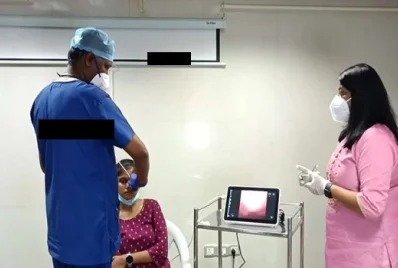
Early Speech Delay Signs AI Can Detect Quickly
One of the biggest breakthroughs in 2026 is early screening. Parents often ignore delayed speech because they believe the child will “start talking later.” That assumption is dangerous.
AI tools can now detect early speech delay signs based on voice recordings and developmental benchmarks. Common warning signs include:
- no meaningful words after 18 months
- poor response to name calling
- limited eye contact while communicating
- unclear sound production beyond age expectations
- difficulty forming simple sentences after 3 years
- excessive drooling or feeding difficulty
- frequent frustration during communication
AI does not diagnose autism or speech delay alone, but it can highlight risk patterns faster than normal screening methods. That means parents can consult professionals sooner instead of waiting years.
This is exactly why BASLP professionals need to adapt. If you ignore technology, you will be late to the patient’s needs.
Audiology Technology in 2026: Hearing Care Has Become Data-Driven
Audiology has always been technology-dependent, but in 2026 it has become smarter and more predictive. Hearing devices are no longer “just amplifiers.” They are intelligent systems.
Hearing Aid Technology 2026 and Smart Adaptive Hearing
The most exciting change is hearing aid technology 2026, where modern hearing aids use AI-based environmental detection.
They automatically adjust based on:
- background noise level
- speech clarity in crowds
- wind and traffic sounds
- indoor vs outdoor environment
- user preference patterns
Many hearing aids now integrate with smartphones and cloud apps. This means an audiologist can monitor usage behavior and optimize settings without the patient visiting every time.
This is a major leap in audiology technology, because hearing aids are now acting like wearable medical devices, not just sound tools.
How Audiologists Use AI for Hearing Loss Prediction
AI systems can now analyze hearing test results and predict possible hearing decline patterns based on:
- family history data
- noise exposure patterns
- age-related hearing loss trends
- early nerve response issues
This predictive model is possible because machine learning in healthcare works on large datasets and identifies patterns humans cannot easily detect.
In simple words: audiology is shifting from “treat hearing loss” to “predict and prevent hearing loss.” That is a huge upgrade for patient care.
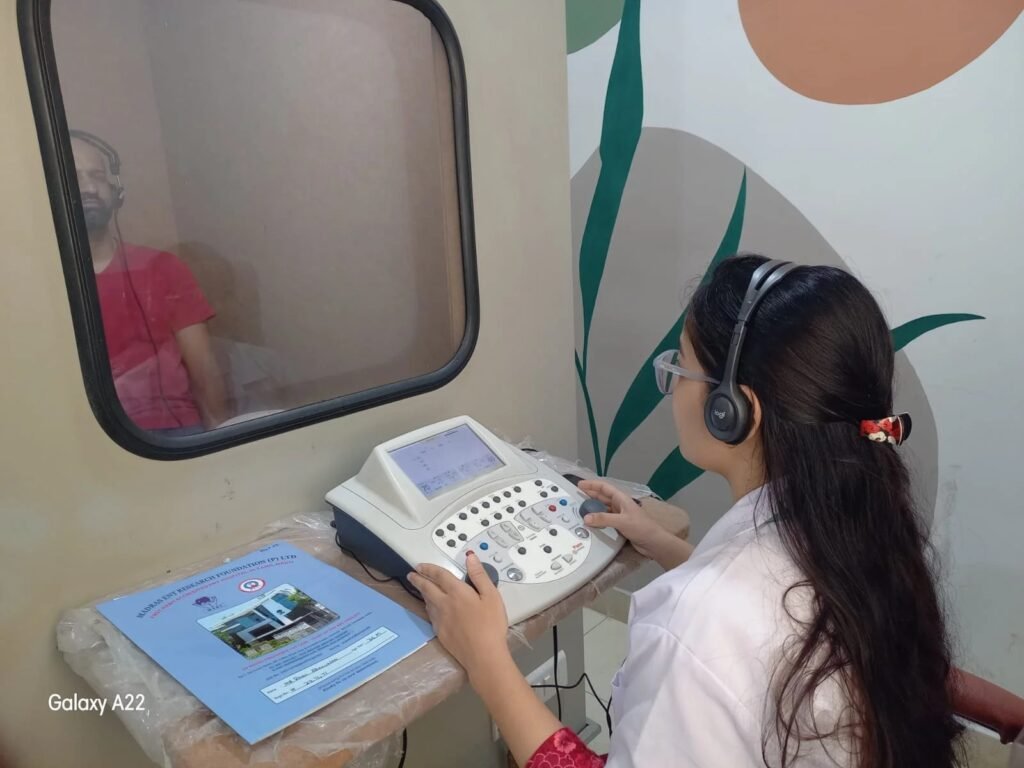
Teletherapy Speech Therapy Is Expanding Access Like Never Before
Before 2020, most speech therapy happened only in clinics. Today, remote therapy is no longer an emergency alternative. It is a permanent system.
Why Teletherapy Speech Therapy Works Better in 2026
Teletherapy speech therapy is growing rapidly because it solves a massive healthcare problem: access.
Many patients in India struggle with:
- long travel distance to speech clinics
- limited speech therapists in rural areas
- high consultation cost due to repeated visits
- time constraints for working parents
Teletherapy solves this by allowing:
- remote follow-up sessions
- parent-assisted home practice
- flexible scheduling
- reduced therapy dropouts
It is especially effective for speech delay cases, articulation therapy, and post-stroke rehabilitation monitoring.
Challenges of Teletherapy (Real Problems, Not Fake Positivity)
Let’s be honest—teletherapy is not perfect.
Real issues include:
- unstable internet disrupting sessions
- children losing attention quickly on video calls
- difficulty in observing body posture and oral motor movements
- lack of physical guidance for tongue placement training
But clinics are now solving these problems using hybrid models. Hospitals like Merfish are using a combination of in-person evaluation + teletherapy follow-ups, which gives both accuracy and convenience.
This model works because machine learning in healthcare tools support teletherapy by tracking voice samples, generating progress reports, and showing measurable improvement even when the therapist is not physically present.
Future of Speech Therapy: Will AI Replace Speech Therapists?
This is the biggest fear people have. The answer is simple:
AI will not replace speech therapists.
But speech therapists who refuse to learn technology will be replaced.
The future of speech therapy is not “AI vs human.” It is “AI + human.”
AI can:
- track data
- analyze voice patterns
- suggest therapy modules
- generate reports
But AI cannot:
- motivate a frustrated child
- build emotional trust with patients
- counsel parents during difficult diagnosis
- understand cultural speech differences deeply
- handle complex emotional rehabilitation after stroke
Speech therapy is not just a technical process. It is also emotional and behavioral. Human presence still matters.
Skills BASLP Students Must Learn in 2026
To stay relevant in 2026, BASLP students must learn:
- working with AI therapy tools
- digital report writing and documentation
- teletherapy session handling
- communication counseling skills
- understanding wearable hearing tech and apps
In other words, BASLP is becoming a “modern healthcare professional” role. The demand is high, but only for people who adapt.
And again, machine learning in healthcare is the backbone behind most modern therapy tracking and diagnostic innovation.

BASLP Scope in India: Career Growth After 2026
If you’re wondering whether BASLP is worth it in India, the answer is clear: yes, but only if you build future-ready skills.
The BASLP scope in India is increasing due to:
- rising awareness among parents
- more autism and developmental screening programs
- increased elderly population needing hearing care
- corporate demand for voice and communication coaching
- digital healthcare adoption in private hospitals
New Career Paths Emerging
The career options in 2026 are not limited to hospitals. BASLP professionals can now work as:
- pediatric speech therapist
- autism communication specialist
- cochlear implant rehab expert
- voice therapist for singers, teachers, influencers
- teletherapy speech consultant
- audiology device consultant
- AI-based speech screening specialist
This is one of the few medical careers where private practice growth is strong and international opportunities are expanding.
Why Hospitals and Clinics Prefer Tech-Skilled BASLP Graduates
Hospitals now want professionals who can handle:
- digital documentation
- teletherapy models
- AI speech analysis tools
- advanced hearing aid programming systems
Because the modern patient expects measurable results. If a therapist cannot show progress, the patient will leave.
The clinics that adopt speech therapy technology and modern audiology technology will dominate the healthcare market. The rest will become outdated.
Final Thoughts: BASLP Is Becoming a High-Tech Medical Career
The BASLP profession in 2026 is changing faster than most people realize. AI is not a trend anymore—it is becoming part of everyday diagnosis, therapy planning, and hearing care.
From AI in speech therapy tools that personalize treatment to AI speech language pathology systems that speed up diagnosis, the entire field is shifting toward measurable healthcare. Add in teletherapy speech therapy, and now patients can access services without location barriers.
The growth of hearing aid technology 2026 proves that audiology is becoming wearable-tech driven, while predictive models powered by machine learning in healthcare are pushing the field toward prevention rather than reaction.
In simple terms: the future belongs to BASLP professionals who are both clinically skilled and digitally aware. If you want a stable and respected career in India, the BASLP scope in India after 2026 is strong—but only for those who evolve with the industry.
Frequently Asked Questions (FAQ)
1. How is AI in speech therapy helping children in 2026?
AI in speech therapy helps by giving real-time pronunciation feedback, tracking daily progress, and personalizing exercises. It also supports parents with home practice modules, improving therapy consistency.
2. What is the role of machine learning in healthcare for BASLP professionals?
Machine learning in healthcare helps BASLP professionals by analyzing speech and hearing patterns, predicting therapy outcomes, and generating measurable progress reports. It improves speed and accuracy in clinical decision-making.
3. Is teletherapy speech therapy as effective as offline speech therapy?
Teletherapy speech therapy is effective for follow-ups, articulation training, and speech delay support. However, complex cases like severe oral motor issues may require offline evaluation. A hybrid model works best.
4. What are early speech delay signs parents should not ignore?
Key early speech delay signs include no meaningful words after 18 months, unclear speech after age 3, poor response to name, difficulty forming sentences, and frustration during communication. Early intervention is critical.
5. What is the BASLP scope in India after 2026?
The BASLP scope in India is expanding due to increased awareness, digital healthcare growth, and demand for hearing and speech professionals. Career opportunities now include hospitals, teletherapy platforms, schools, rehab centers, and private clinics.